Managing Classroom Cellphone Distraction: Routines for Teachers

The Problem
Walk into almost any middle or high school, and you will see a persistent challenge facing teachers: phone addiction and student disengagement.
- Managing digital distractions in the classroom has quickly become a defining issue in modern education.
According to research from the Pew Research Center, 72% of high school teachers report that student phone distraction is a major problem in their daily instructional environment. Furthermore, data from Common Sense Media reveals that teenagers average over four hours of screen time on weekdays, often receiving hundreds of notifications during school hours alone.
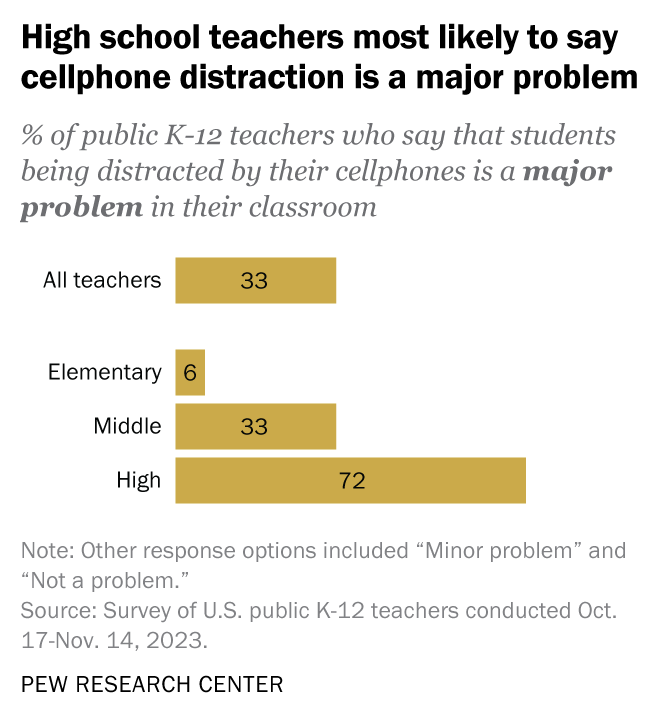
For students, constant phone pings create a fragmented attention span. The desire to follow-up on each notification—sometimes hundreds over the course of one school day—makes it impossible to dive into complex concepts or participate meaningfully in group discussions. Left unaddressed, mobile devices disrupt the rhythm of instructional time, inflate teacher burnout, and leave students unprepared for real-world focus.
The Solution: Managing Classroom Cellphone Distractions
Of course, phone distractions feel like an impossible obstacle. But successful teachers treat classroom focus as an intentional skill to be coached. When students are guided to view self-regulation as a professional tool rather than a restrictive rule, they can shift from compliance to genuine engagement. However, this won’t happen on its own. At the end of the day, students are still children / minors and they need to be taught the necessary skills.
Alternative certification candidates and career changers hold a unique advantage here. Coming from professional work environments, non-traditional teachers bring real-world experience to the classroom. They understand real workplace expectations, clear communication habits, and the need for focusing skills. Instead of battling technology with emotion or frustration, career changers can reset classroom expectations through structured, business-like routines established on day one.
While American Board helps career changers enter the classroom, we know all great teachers can utilize the tips below.
Action Items
To turn a distracted room into an engaged learning space, consider implementing these key operational strategies:
- Set a clear and unchanging policy: Simply put, allow no cell phone use in the classroom, whatsoever.
- Establish explicit physical boundaries: Use clear designated areas—such as numbered hanging pouches or desk docks—where devices remain out of sight from the opening bell.
- Anchor the first five minutes: Begin every class with an immediate, hands-on bellringer task that requires offline focus before students even have a chance to pull out a screen.
- Leverage real-world professionalism: Explain phone policies through the lens of workplace norms. Help students understand how focused attention builds valuable professional skills.
- Maintain predictable consistency: Enforce your routine calmly and uniformly every single day so students always know what to expect.
By establishing structured routines early, new teachers shift the classroom dynamic from constant policing to shared accountability. Transforming student attention span is not about waging war on technology; it is about providing the clear, supportive boundaries students need to thrive academically and socially.
Students Need Your Guidance
If you have the leadership, real-world perspective, and structural ability to help students overcome these modern hurdles, public schools need your experience. Through American Board’s state-approved online certification program, you can leverage your professional background to transition into a rewarding teaching career on your schedule. You can get certified faster and enter the classroom without taking on student debt. Learn more about how you can make a lasting impact in your community today at American Board.